School trees in sub-Saharan Africa

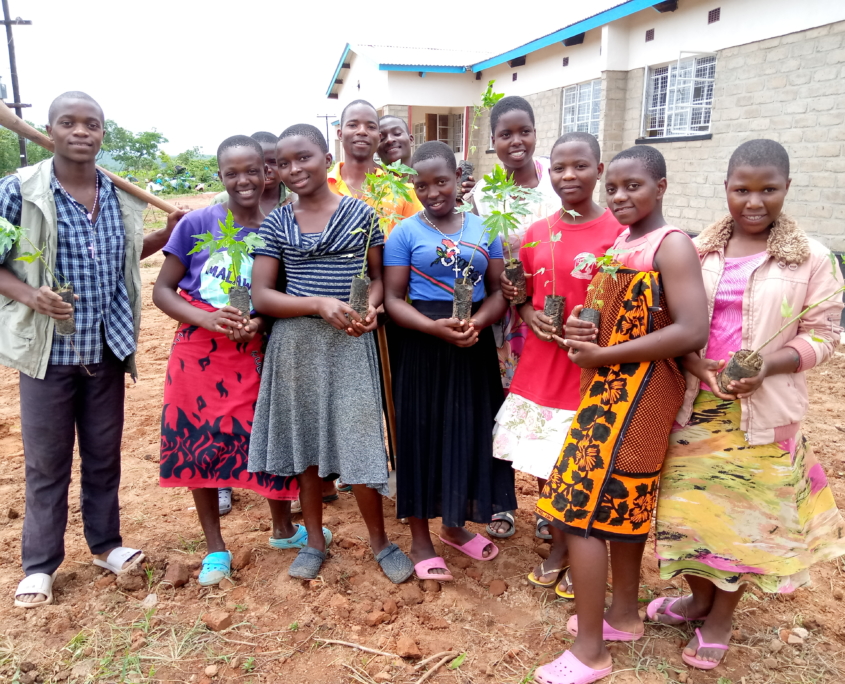
3,000 trees for 8 schools in Malawi, Zambia and South Africa. The special thing about this project: the planting is organized by local scout groups and the maintenance is mostly taken care of by the pupils themselves. This way, the seedlings become part of a practical environmental education and after a few years, it is possible to bring in a harvest.

Planting

The project

Eight schools in Malawi, Zambia and South Africa are taking part in this project by planting trees on school grounds in a self-organised way. The objective here is not reforestation, but rather practical learning. Supported by local scout networks, young people learn about the interrelationship between climate change and its effects, but also strategies for coping with it. Some schools include this into existing working groups, such as the Wild Life Club of St. Ignatius Secondary in Nthalire, Malawi. Planting, maintenance and utilisation are also individually planned by schools. Native species are planted: fruit and ornamental trees or timber trees.

  • 3,000 trees
  • 8 schools in Malawi, Zambia and South Africa
  • Planting winter 2019/20
  • Carried out by local scout groups as well as pupils
  • Practical and theoretical knowledge transfer through teaching units and workshops
  • Additional income for the schools or self-consumption of the harvests
  • A friendly learning environment through shady greenery

The Background

In recent years, the effects of climate change have greatly impacted people in sub-Saharan Africa. Long periods of drought, water shortages (such as in Cape Town), violent thunderstorms and floods (cyclone Idai in Malawi and Mozambique) are challenges that must be tackled. Harvests are often destroyed which strongly affects the underprivileged.

One of the most important ways to arm oneself against this is through education. Children and young people must be given the opportunity to understand climate change and develop coping strategies.

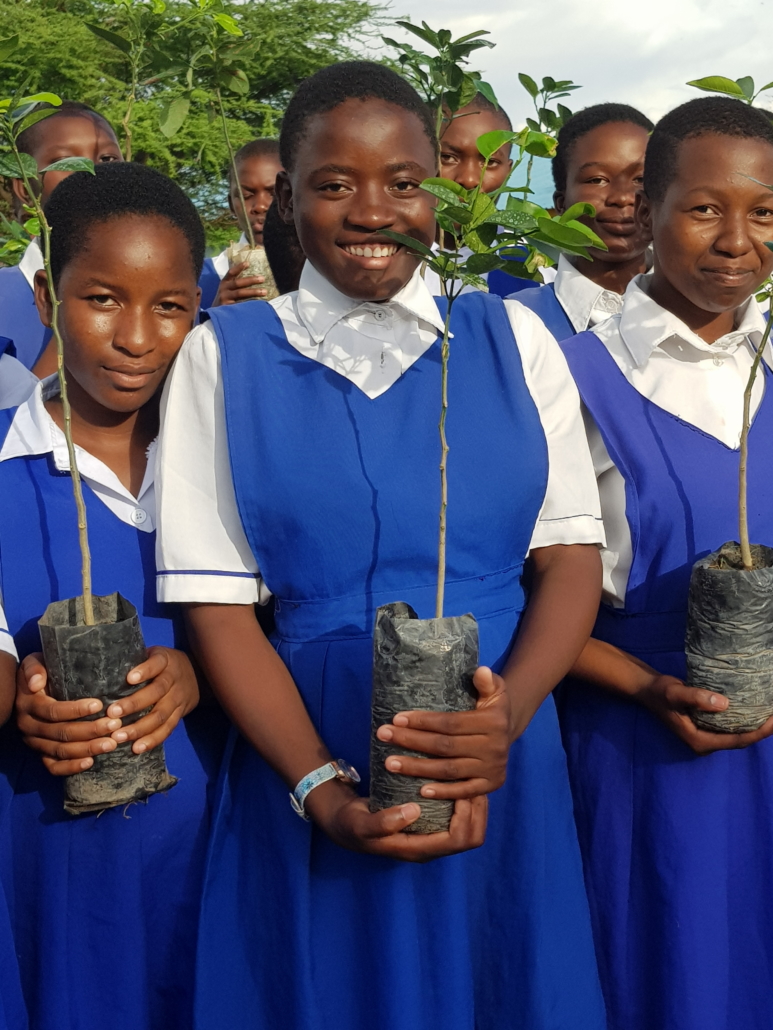
Through the planting project, young people should be given the chance to acquire knowledge and put it into practice. For this reason, in addition to the donation of trees, financial resources are also made available for workshops and seminars. By planting trees in schools, every child can follow the trees’ growth and development.

The project partner

The association Nangu Thina e.V. sees itself as a platform that enables projects with and for children and young people in Africa and Europe. The close connection with scout networks in the project regions guarantee a reliable partnership and sustainable project success.

One out of eight:

St. Ignatius Boarding Secondary School

Nthalire, Chitipa, Malawi

St. Ignatius has a Wild Life Club with more than 100 pupils, led by geography and agriculture teachers. This environmental club is perfectly suited for planning and implementation. Nearly half of the members took part in the planting action. The Wild Life Club and the caretaker look after the seedlings.

The biggest challenge here so far was the sourcing of the seedlings: they had to be transported from Chitipa, 100 km away, to Nthalire during the rainy season. Since the road was sometimes heavily flooded and not passable, the delegation had to spend the night on the road.

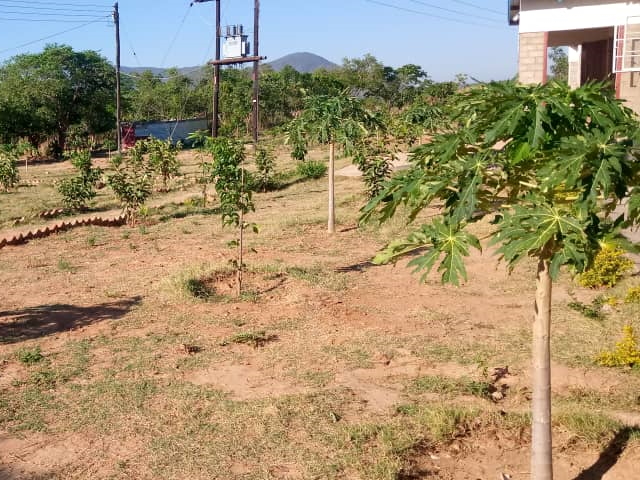
Even during the long school closures due to Covid-19, the ongoing care of the seedlings was well organized, so that we can expect good survival rates. The last photo is from late November 2020 and shows young papaya trees planted in December 2019.