Afforestation in Indonesia

The humid tropics offer the best conditions for reforestation projects because the trees grow continuously regardless of the season. Since large parts of the Indonesian rainforest have been cleared for agricultural use, the potential for reforestation is huge.

The challenge is to combat the cause of deforestation in order to prevent further intervention in the primary rainforest.

The roots of the problem

The project

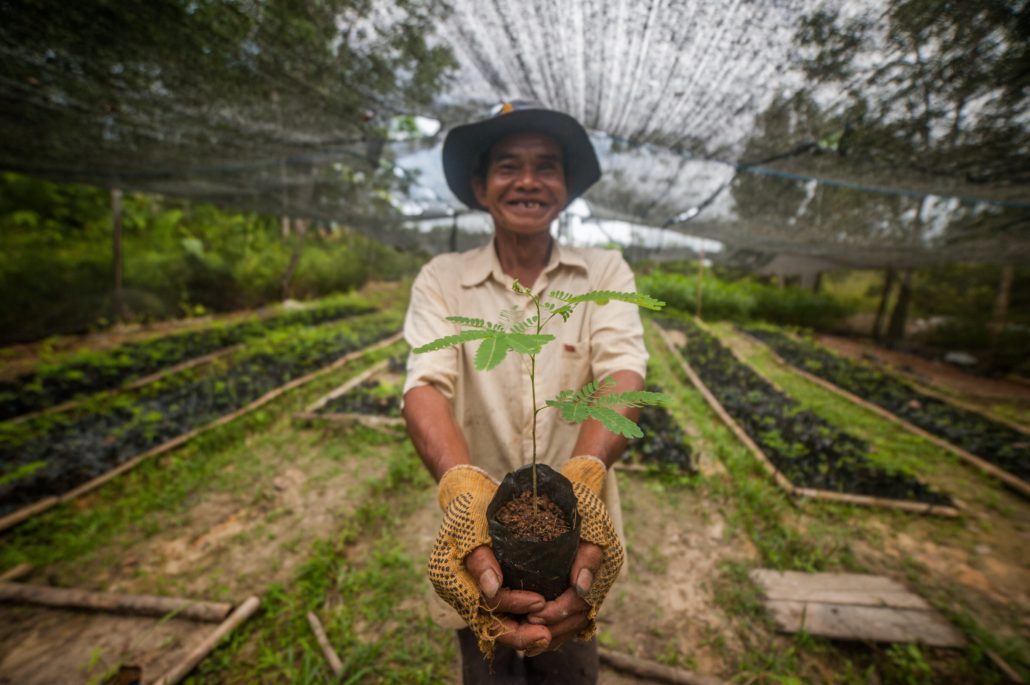
On Borneo, large parts of the original rainforest have been cleared for agriculture. However, the soils lose their fertility very quickly afterwards. As long as the local population’s needs for resources are not satisfied, further deforestation of the remaining primeval forests is inevitable. Therefore, the project aims at the permanent reforestation of degraded former rainforest areas. Combined cultivation methods allow to regain economic profitability of the land while also creating new forests.

  • 2.500 trees
  • approx. 2,5 hectares
  • Planting winter 2020/21
  • expected compensation: 442.5 t CO2 in 10 years

© by Fairventures Wordwide gGmbH

The concept

An intelligent agroforestry concept was developed in close cooperation with the local population:

  • Pioneer trees

    Fast-growing tree species are planted, which can be harvested as early as 7-10 years later as timber. They are used 100% for interior finishings and furniture wood. Fairventures Worldwide has only just established this market for light woods locally.

  • Food crops

    From the beginning, catch crops are planted for a fast and constant income of the population. Peanuts and cocoa are the main crops used. The plants benefit from the protective leaf canopy of the pioneer trees.

  • Regenerative agriculture

    Through the selection of a high diversity of special crops, an ecosystem is created that will survive beyond 10 years. It does not claim to be comparable to the original habitat, but is a biodiverse agroforest.

Project partner

Fairventures combines economic and ecological models. Almost 1 million trees have been planted in the project area since 2014 and more than 1,100 farmers have been reached.

These fast growing tree species are used as pioneer trees.
They quickly replace the top layer and enable other plants to prevail against the grass growth.

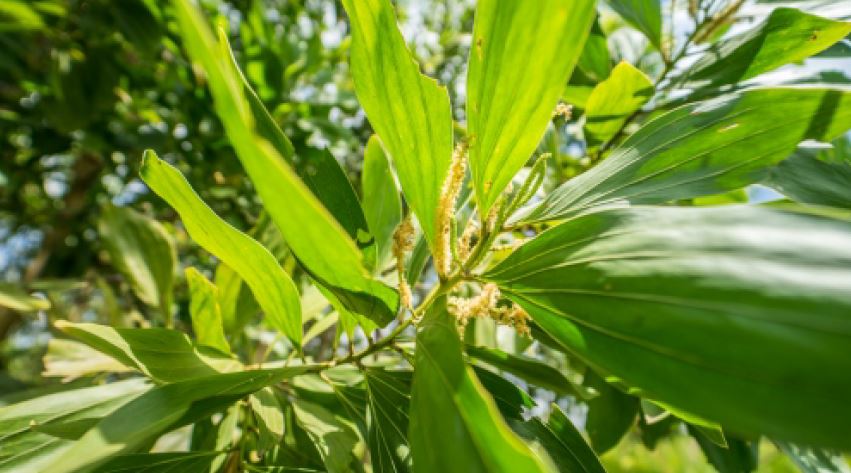
Acacia

Latin name
Magic acacia

Origin
Australia, Indonesia, Papua New Guinea

Ecology
Grows in tropical lowland regions. Needs light. Can grow on dry or partly moist soils. Susceptible to shade.

Maximum height
25-35 m

Maximum diameter
40 cm

Density
515 kg/m3

Wood characteristics
Medium brown, hard, strong, durable

Use
Fixes nitrogen in the soil. Shady trees for catch crops. Wind and fire barrier. Wood for (outdoor) furniture and construction.

Miscellaneous
The generic name acacia comes from the Greek “akis”, which means point or sting.

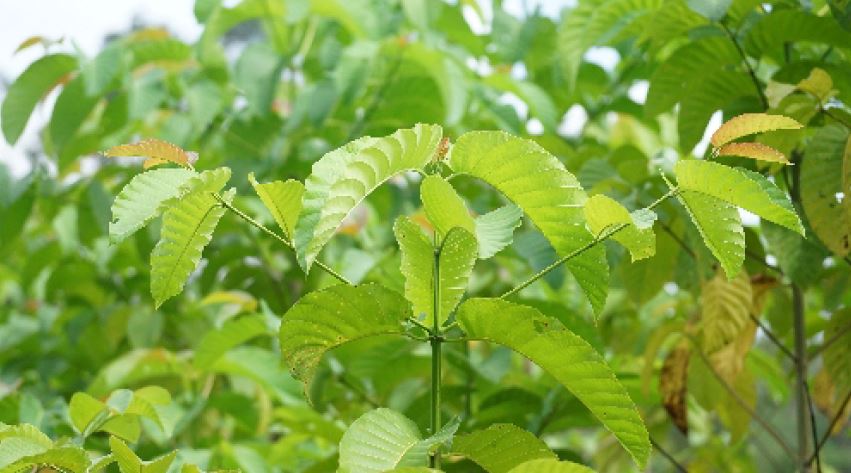
Sengon

Latin name
Falcataria moluccana

Origin
Moluccas, New Guinea

Ecology
Grows in secondary lowland rainforests and grassy plains. Thrives in poor soils with moderate water supply. Susceptible to fire, shade, strong winds, damp soil and long dry periods.

Maximum altitude
40 m

Maximum diameter
100 cm

Density
280 kg/m3

Wood characteristics
Light brown-beige, soft with long fibres

Use
Fixes nitrogen in the soil. Shady trees for catch crops. Wood for furniture and construction.

Miscellaneous
Listed in the Guinness Book of Records as the fastest growing tree in the world. Grows in optimal locations up to 7 m per year.

White Jabon

Latin name
Anthocephalus cadamba

Origin
Australia, China and South East Asia

Ecology
Grows on damp soil, often in secondary forests along river courses and on the edges of wetlands. Susceptible to weeds, frost, drought and soil wetness.

Maximum height
45 m

Maximum diameter
160 cm

Density
425 kg/m3

Wood characteristics
White with a slight yellowish tinge. Easy to apply. Not very durable without correct treatment.

Use
Shady trees for catch crops. Wood for furniture and construction. Bark as antipyretic medicine.

Miscellaneous
In India, Java and Malaysia religiously and culturally highly esteemed. In Hinduism often mentioned in connection with Krishna. The fresh leaves are sometimes used as napkins or plates.